Initializing Digital Excellence
Initializing Digital Excellence
Track every battery type — lead-acid, lithium-ion, EV, portable —
and meet CPCB collection targets without spreadsheets.
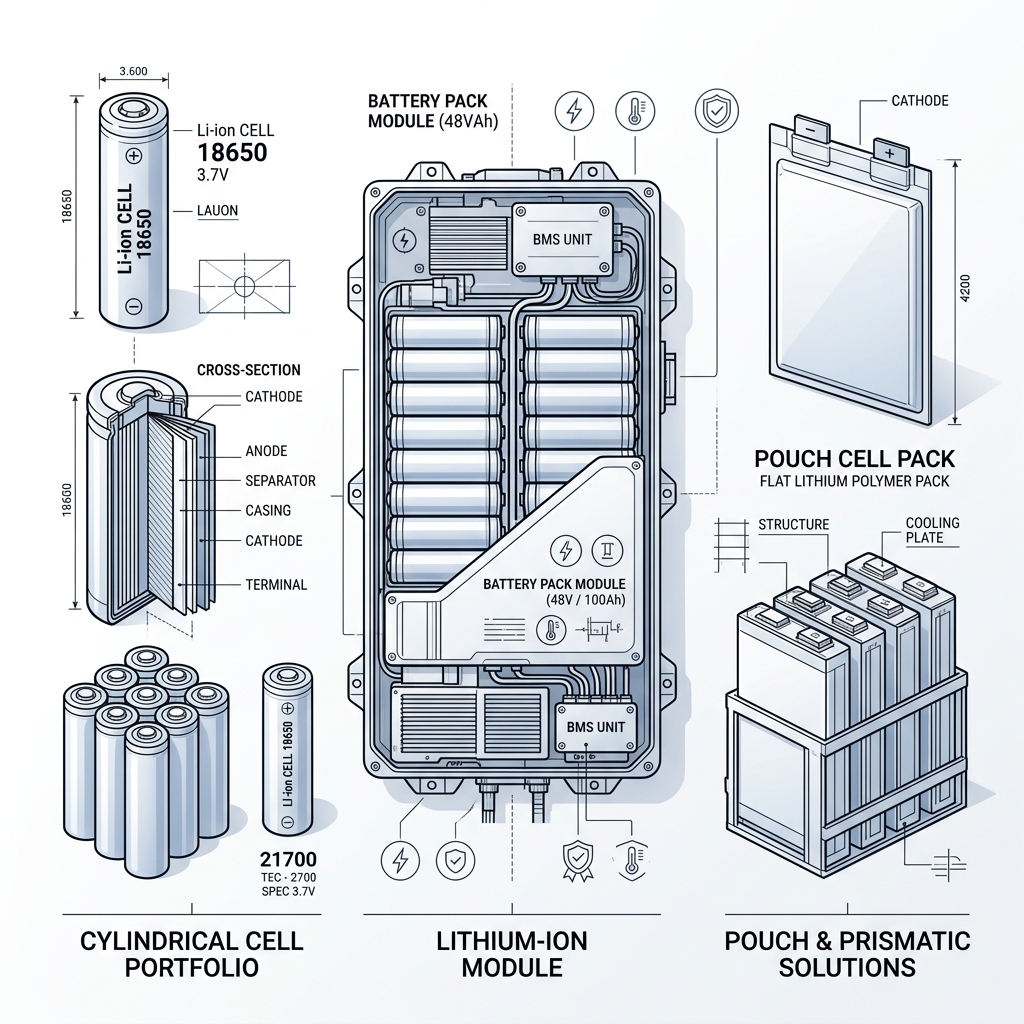
The Battery Waste Management (BWM) Rules, 2022 — notified by MoEF&CC — establish India's most comprehensive battery lifecycle management framework. Every manufacturer and importer of batteries — whether lead-acid automotive batteries, lithium-ion EV battery packs, or portable device batteries — must register on CPCB's battery EPR portal, meet annual collection targets, and file annual returns.
With India's EV revolution accelerating, battery waste EPR is one of the most rapidly evolving compliance areas. The 2022 rules introduced separate target schedules for each battery chemistry — lead-acid, lithium-ion, and nickel-cadmium — with distinct obligations for each.
All entities manufacturing batteries in India — automotive, industrial, portable, or EV
Entities importing batteries as finished products or devices/vehicles containing batteries
Electric vehicle manufacturers are specifically covered for the battery packs in their vehicles
Makers of smartphones, laptops, and consumer electronics responsible for internal batteries
Authorised smelters, recyclers, and refurbishers registered as collection and recycling entities
Battery Waste Management Rules, 2022 (BWM Rules) — notified by MoEF&CC.
batteryepr.cpcb.gov.in — registration, target assignment, and return filing.
Lead-acid (automotive/industrial), Lithium-ion (EV/portable), Nickel-cadmium.
FY 2023–24: 70% · FY 2024–25: 80% · FY 2025–26: 90% · FY 2026–27+: 90%.
FY 2024–25: 50% · FY 2025–26: 60% · FY 2026–27: 70% · FY 2027–28+: 70%.
Recycling & Refurbishment Certificates — chemistry specific, denominated in kg.
EPR credits tradeable on CPCB ETP at ₹5–₹20 per kg depending on battery type.
Filed on CPCB battery portal. Quarterly collection records with invoice numbers.
₹10 lakh to ₹50 lakh per violation · Registration cancellation · Business restrictions.
New Lithium-ion targets begin in FY 2024–25. Let our experts model your collection requirements and certificate strategy.
Multiple battery chemistries with separate targets — lead-acid and lithium-ion cannot be netted against each other.
EV manufacturers must track battery pack serial numbers and chemistry compositions across distributed customers.
Lead-acid recovery mainly through informal channels — finding authorized recyclers with genuine credits is difficult.
Certificates are denominated in kilograms, not metric tonnes — reconciliation with sales data creates calculation complexity.
New lithium-ion obligations are still being defined — companies are unsure of exact liability and carry-forward provisions.
Annual return requires detailed battery-type-wise collection data with recycler IDs and GST invoice cross-references.

EcoTrace handles separate target schedules for each battery chemistry, eliminating the complexity of multi-chemistry compliance.
Separate obligation tracking for lead-acid, lithium-ion, and other types — each with its own target and certificate.
Serial number-level tracking for EV packs — monitoring end-of-life status and recovery rates automatically.
Validated network of CPCB-authorised smelters and refurbishers with chemistry certifications and capacity tracking.
Real-time obligation vs achievement tracking per battery chemistry with proactive certificate gap alerts.
Auto-converts battery weight data between kg and MT — eliminating unit mismatch errors in reconciliation.
Complete CPCB portal annual return — chemistry-wise data, recycler details, and certificate ledger in one click.
Monitors certificate shortage and alerts when shortfall costs exceed a threshold — enabling proactive purchases.
Connects to your ERP or inventory to pull sales data and calculate volumes by chemistry type automatically.
Unified CPCB portal integration, annual filings, and credit trading across related EPR categories.
Full EPR compliance for IT, consumer electronics, and telecom hardware waste under CPCB guidelines.
Comprehensive plastic packaging recycling credits, state pollution board authorizations, and portal updates.
Tyre producer responsibility fulfillment through authorized tyre recyclers and statutory annual filings.
Join leading automotive and EV manufacturers. Track chemistries, meet collection targets, and file returns on EcoTrace.